
Putting the Life Jacket on Others
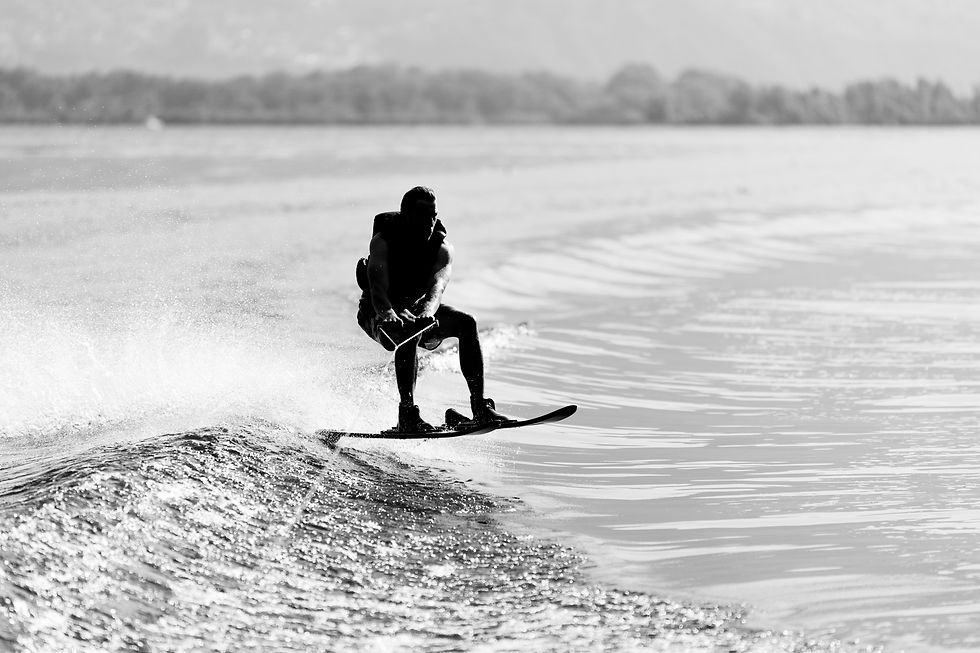
It's been a hot summer here in the Northeast US, so like many of us, I've been spending more time near the water. All that beach time got me thinking about my days as a lifeguard many summers ago and how the lessons from that job still apply to my work today.
I grew up near the ocean and always felt compelled to be near water. So when I went to sleepaway camp at the age of 12, I signed up for every water activity possible. I was becoming a strong swimmer, but I didn’t have much experience with boats or watersports. I tried waterskiing for a couple of summers and, despite my enthusiasm for the sport, I could never get my coordination right and fell flat on my face almost every time. No matter how determined I was and how much I could visualize myself gliding around the lake, alas, I was a terrible waterskier and nothing seemed to work for me.
A few years later, I worked at that same camp as a certified lifeguard. The waterskiing instructors were excellent teachers and deftly navigated the challenges of driving a boat while towing small children, but they weren’t qualified as first responders. The camp directors asked me to spend most of my days out on the boat with them just in case anything happened in the middle of the lake. My sole job was to watch for signs of potential emergencies and jump in to rescue if needed.
But when you spend enough hours watching others repeatedly try to do something, you start to notice patterns they may miss because they're too close to the action. I found myself coaching kids from the back of the boat alongside the instructors, not because I was suddenly good at waterskiing, but because I could see the things that they couldn't see about themselves. By the end of the summer, dozens of kids had successfully skied around the lake because of my instruction and gentle nudging, even though I theoretically had no business teaching them anything.
There's an old expression: those who can, do; those who can't, teach. I've always hated that sentiment because some of the best lessons come from people who are deeply skilled at the thing they teach. But that summer as an inadvertent waterskiing instructor taught me that, even when we may not have the technical skills or ability to do something ourselves, we can still be equipped to help others connect the dots and accomplish their goals.
Sometimes all we need to get unstuck is someone else's eyes on the situation, particularly someone who can approach the challenge from a different perspective.
This is really at the heart of what I do now. Most of my clients aren’t missing knowledge, they’re just too close to the situation and stuck inside their own view of a problem. My job isn't to have lived their exact experience or be an expert in their field. It's to stand where I stood on the back of that boat years ago, close enough to see clearly, yet far enough removed to see differently, and connect those dots for them in a way that's both honest and nurturing.
We all need that support from time to time, not because we're incapable, but because it's impossible to watch yourself ski.
And yes, for the record, I'm still a terrible waterskier. 😉
Who's helped you connect the dots on something you were too close to see yourself? Have you been able to do that for someone else, particularly in an area that isn't your expertise? I’d love to hear from you! And if you're looking for help taking your own next step, feel free to schedule a complimentary consultation to see if I might be the right fit.


Comments